
Menopause 101 for Black Women: A Guide to Understanding, Managing, and Thriving
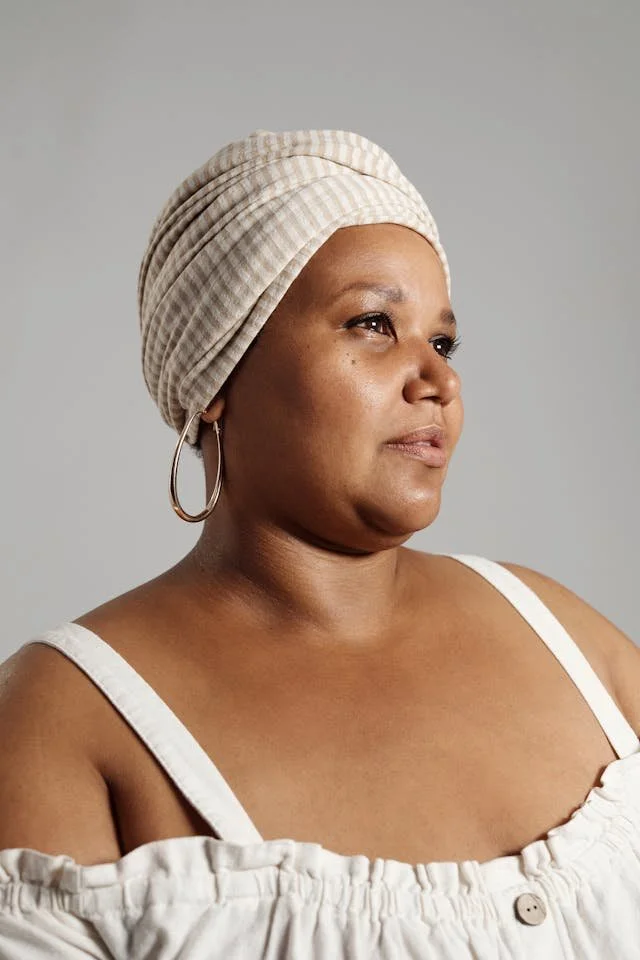
Menopause is a significant transition in a woman's life, marking the end of her reproductive years.
For Black women, this phase comes with unique challenges and experiences that require a tailored approach to care and management. This article provides a comprehensive overview of menopause, including its causes, stages, symptoms, diagnosis, treatment options, and how Sistah Pause can support Black women through this transition.
Stages of Menopause
Menopause unfolds in three distinct stages, each with its own set of symptoms and implications:
Perimenopause (the transitional phase leading up to menopause):
Hormonal Changes: Fluctuating levels of estrogen and progesterone.
Symptoms: Irregular periods, hot flashes, night sweats, mood swings, and changes in libido.
Duration: Can last several years, typically starting in the late 30s to early 40s.
Menopause (officially diagnosed after 12 consecutive months without a period):
Hormonal Changes: Significant drop in estrogen and progesterone levels.
Symptoms: Persistent hot flashes, night sweats, vaginal dryness, urinary incontinence, and potential weight gain.
Diagnosis: Confirmed through a combination of symptom history and hormonal testing.
Postmenopause (the phase following menopause):
Hormonal Changes: Stabilized lower hormone levels.
Symptoms: May continue experiencing menopause symptoms, but often lessens over time. Increased risk of osteoporosis and cardiovascular disease.
Health Focus: Emphasis on long-term health management and symptom relief.
Symptoms and Their Impact on Health
Hot Flashes: Sudden feelings of warmth, often accompanied by sweating. Can disrupt daily life and sleep.
Night Sweats: Severe hot flashes that occur during sleep, leading to disturbed rest.
Vaginal Dryness: Decreased estrogen leads to thinning and dryness of vaginal tissues, causing discomfort and potential pain during intercourse.
Urinary Incontinence: Weakened pelvic muscles may result in involuntary leakage of urine.
Mood Swings: Hormonal fluctuations can lead to emotional changes, including irritability, anxiety, and depression.
Weight Gain: Metabolism slows, and hormonal changes can lead to increased fat accumulation, particularly around the abdomen.
Diagnosis
Diagnosis of menopause involves assessing symptoms, menstrual history, and may include blood tests to measure hormone levels. Tests such as follicle-stimulating hormone (FSH) levels can help confirm the transition into menopause.
Treatment and Management
Treatment for menopause focuses on relieving symptoms and improving quality of life. Options include:
Hormone Replacement Therapy (HRT): Includes estrogen-only or combined estrogen and progesterone therapies.
Non-Hormonal Medications: Antidepressants or other medications to manage hot flashes and mood changes.
Vaginal Estrogen: Applied directly to the vaginal area to relieve dryness and discomfort.
Lifestyle Modifications: Regular exercise, a balanced diet, and weight management can help alleviate symptoms and improve overall health.
Alternative Therapies: Acupuncture, herbal supplements, and other holistic approaches may offer additional relief.
How to Advocate for Your Health
Black women often face unique barriers in healthcare, including disparities in access and treatment. To advocate effectively:
Educate Yourself: Understand menopause and its impact on your health.
Communicate Clearly: Share your symptoms and concerns openly with your healthcare provider.
Seek Culturally Competent Care: Choose providers who understand and respect your cultural background and health needs.
Get a Second Opinion: If necessary, seek additional perspectives to ensure you receive the best care.
How Sistah Pause Can Help
At Sistah Pause, we specialize in providing comprehensive care tailored specifically for Black women navigating menopause. Our services include:
Personalized Assessments: In-depth evaluations to create customized treatment plans.
Hormone Therapy Management: Safe and effective options to manage symptoms.
Lifestyle Coaching: Guidance on diet, exercise, and wellness strategies to support overall health.
Ongoing Support: Regular check-ins and adjustments to ensure you thrive through menopause and beyond.
Our mission is to empower Black women with the knowledge, resources, and support they need to embrace this life transition confidently and healthily. By addressing your unique needs and challenges, Sistah Pause aims to help you flourish through midlife and beyond.
Understanding menopause and its impact can significantly improve your quality of life during this transition. With the right support and resources, you can navigate menopause with confidence and maintain your well-being throughout the changes.
Reference
Green R, Santoro N. Menopausal Symptoms and Ethnicity: The Study of Women’s Health across the Nation. Women’s Health. 2009;5(2):127-133. doi:10.2217/17455057.5.2.127
https://doi.org/10.2217/17455057.5.2.127
“The 2023 Nonhormone Therapy Position Statement of The North American Menopause Society” Advisory Panel (2023). The 2023 nonhormone therapy position statement of The North American Menopause Society. Menopause (New York, N.Y.), 30(6), 573–590. https://doi.org/10.1097/GME.0000000000002200
Menopause: The Journal of The North American Menopause Society Vol. 27, No. 9, pp. 976-992 DOI: 10.1097/GME.0000000000001609 2020 by The North American Menopause Society 2020-gsm-ps.pdf (menopause.org)
Menopause: The Journal of The North American Menopause Society Vol. 29, No. 7, pp. 767-794 DOI: 10.1097/GME.0000000000002028 ©2022 by The North American Menopause Society nams-2022-hormone-therapy-position-statement.pdf (menopause.org)
Brandy Harris Wallace, Cassandra D Ford, Tamara A Baker, Advancing the Inclusion of Black Women in Studies of Menopause, The Journals of Gerontology: Series A, Volume 79, Issue 2, February 2024, glad284, https://doi.org/10.1093/gerona/glad284
Fenton A. (2021). Weight, Shape, and Body Composition Changes at Menopause. Journal of mid-life health, 12(3), 187–192. https://doi.org/10.4103/jmh.jmh_123_21
